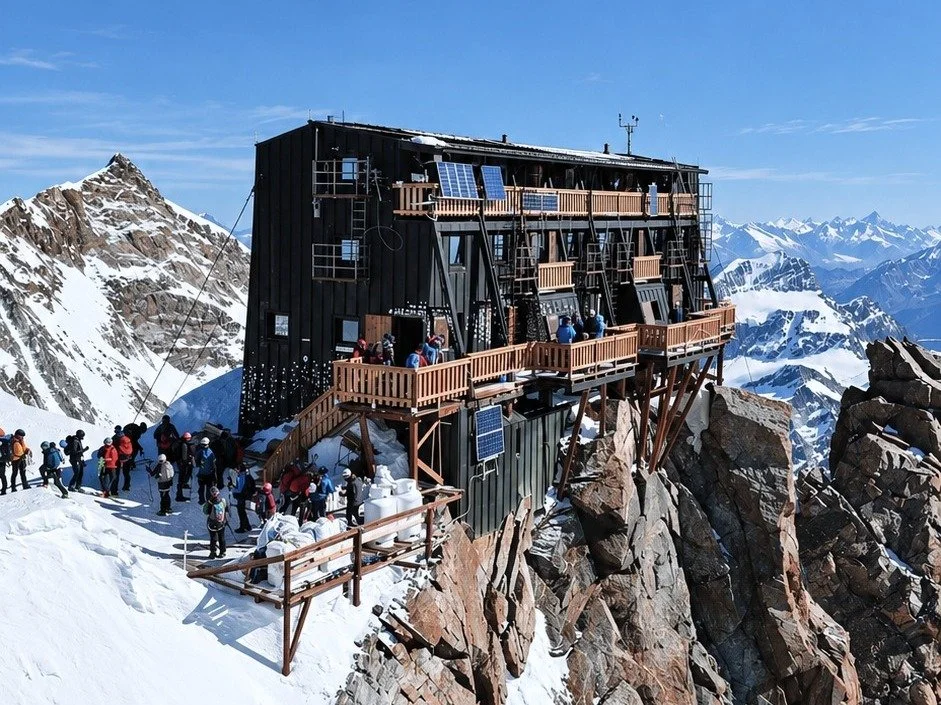
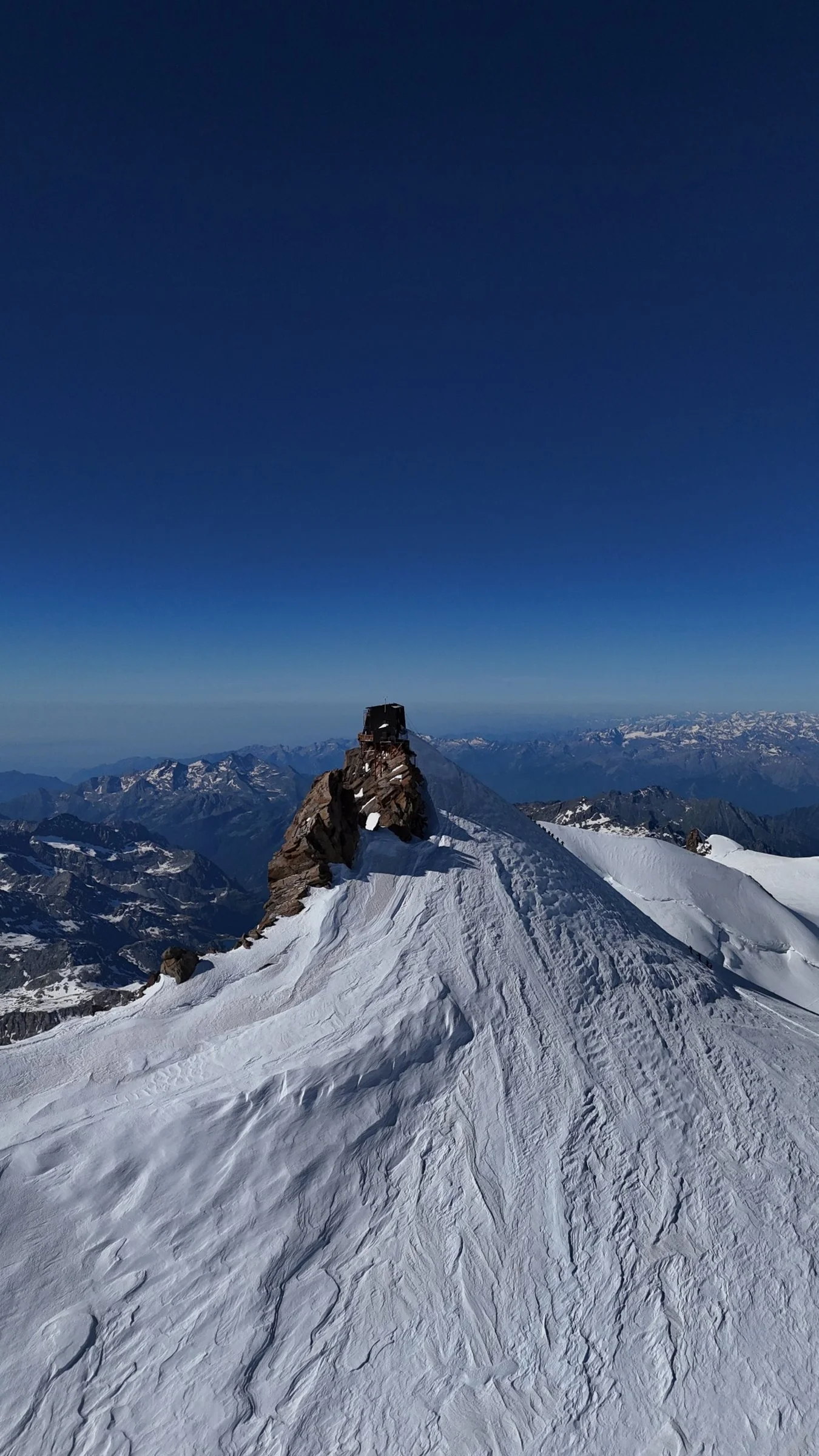
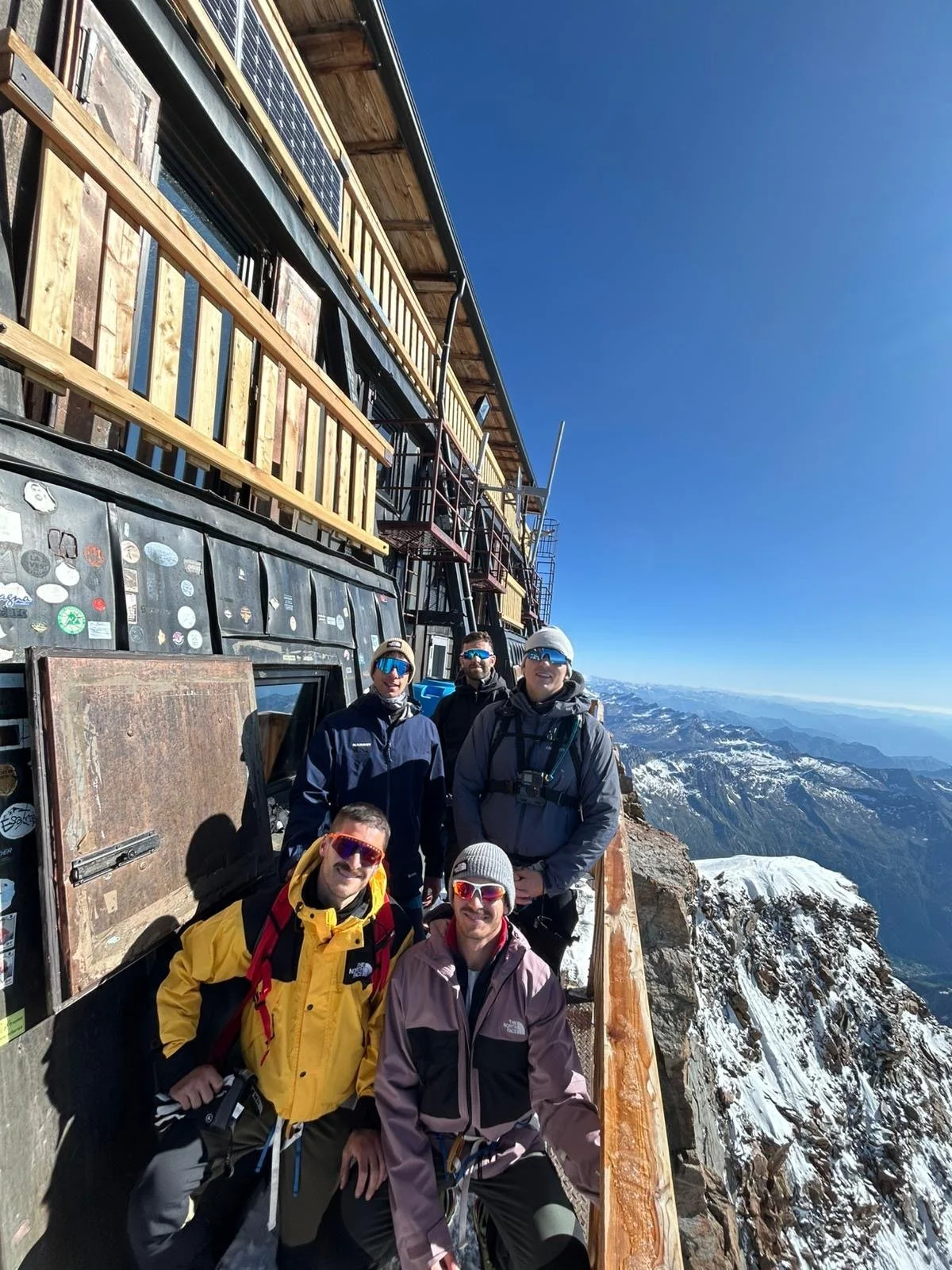
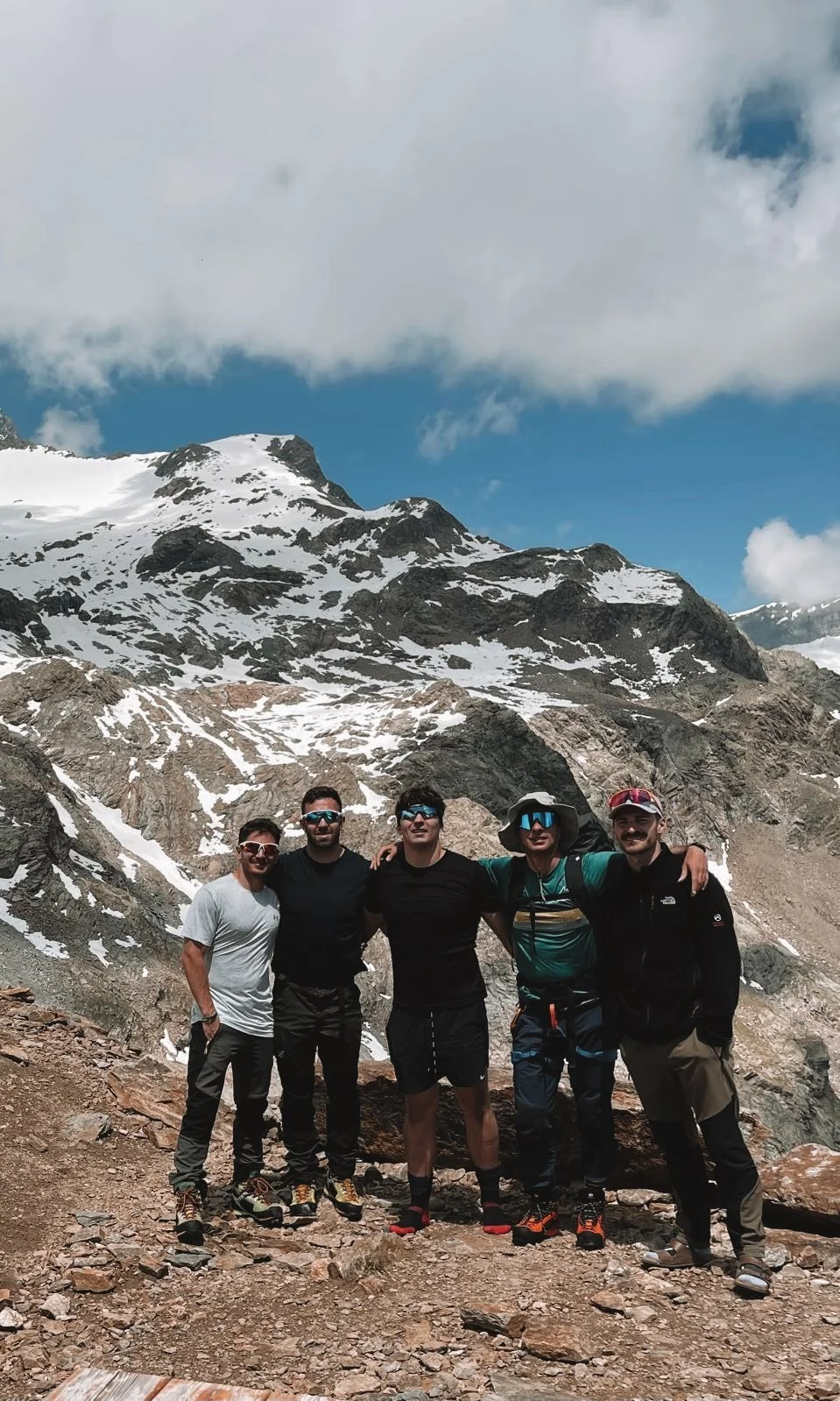
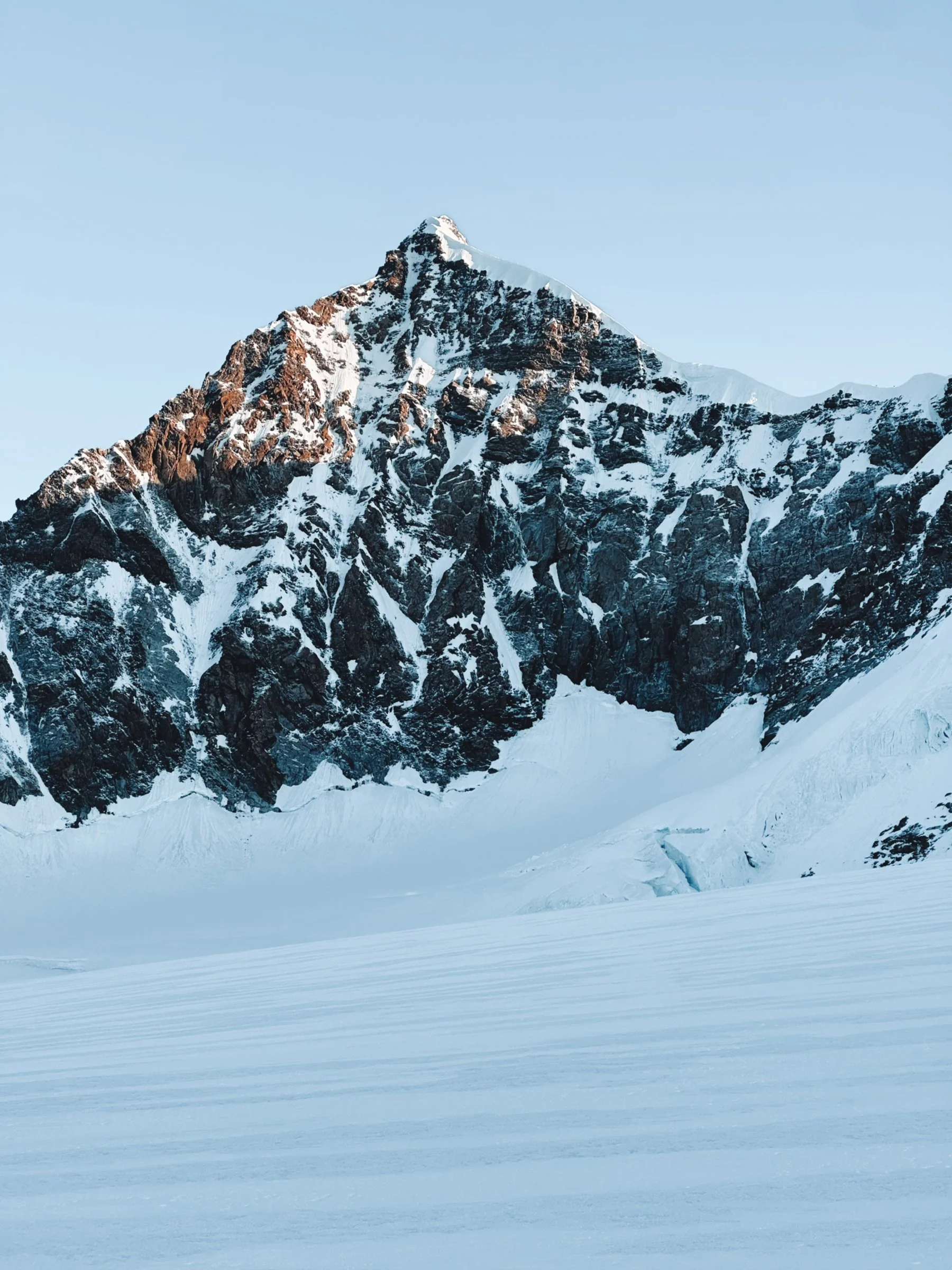
For my 30th birthday, and my friend's 30th, five of us climbed to the Capanna Regina Margherita: a hut perched on the summit of Punta Gnifetti on Monte Rosa, at 4,554 m. It's the highest building in Europe, and getting there means a night in a mountain hut, a dawn start, crampons and a rope team across a glacier. It was my first proper high-altitude climb, and it was phenomenal. We got really lucky with the weather.
At a glance
What: a guided two-day ascent of Punta Gnifetti (4,554 m) to the Capanna Regina Margherita, Monte Rosa, Italy
When we went: late June 2025, the weekend the huts opened for the summer
Who with: Monte Rosa Booking, with a private IFMGA mountain guide
Cost: we paid €370 each as a group of five, including the guide, the hut night with dinner and breakfast, lifts and technical kit. Check current prices.
Difficulty: achievable for fit hikers with no glacier experience, if you go with a guide. The altitude is the real challenge.
Getting there: fly to Milan Malpensa, then about two hours' drive to Alagna Valsesia
How the two days work
The standard trip starts at Passo dei Salati, the pass between the Alagna and Gressoney valleys. You take the lifts up, meet your guide, then ride the last cable car to Punta Indren (3,275 m) and walk about an hour across to the hut for the night. Next morning you climb to the summit and come all the way back down to the valley.
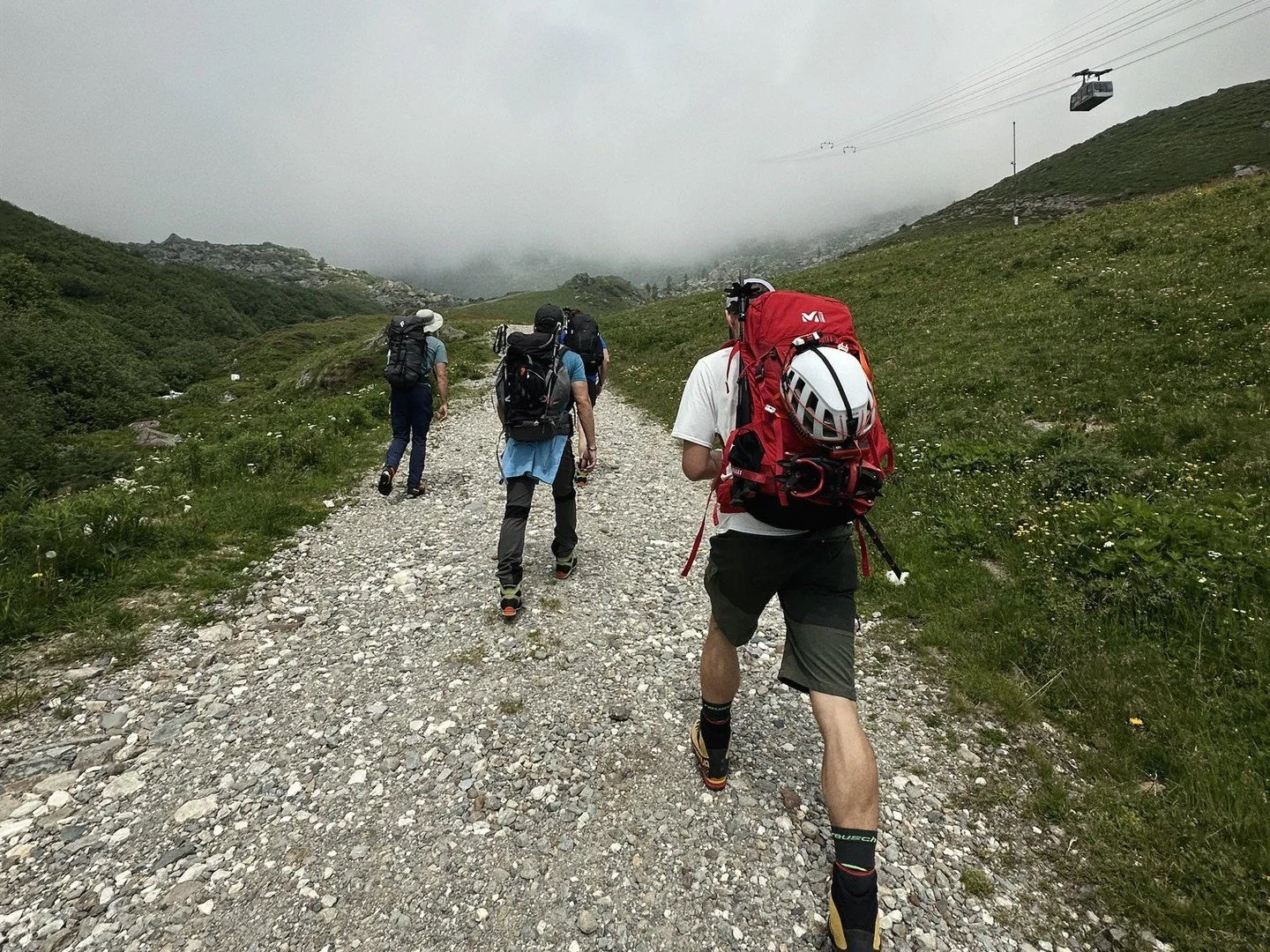
Day 1: we made it harder. We wanted a proper day out, so instead of riding every lift we took the first one from Alagna (1,191 m) to Pianalunga (2,050 m), then walked up to Passo dei Salati (2,970 m): about 900 m of climbing on foot. From there we took the cable car to Punta Indren, met our guide and walked to Rifugio Città di Mantova (about 3,470 m). The company even carried our heavy glacier kit up to Indren for us. It made the day a lot harder, but it was brilliant. Our guide's advice: walking from Pianalunga is a good option if you're fit (it took us around two hours to Indren), but walking all the way from Alagna is a long day, and you want to save energy for the summit.
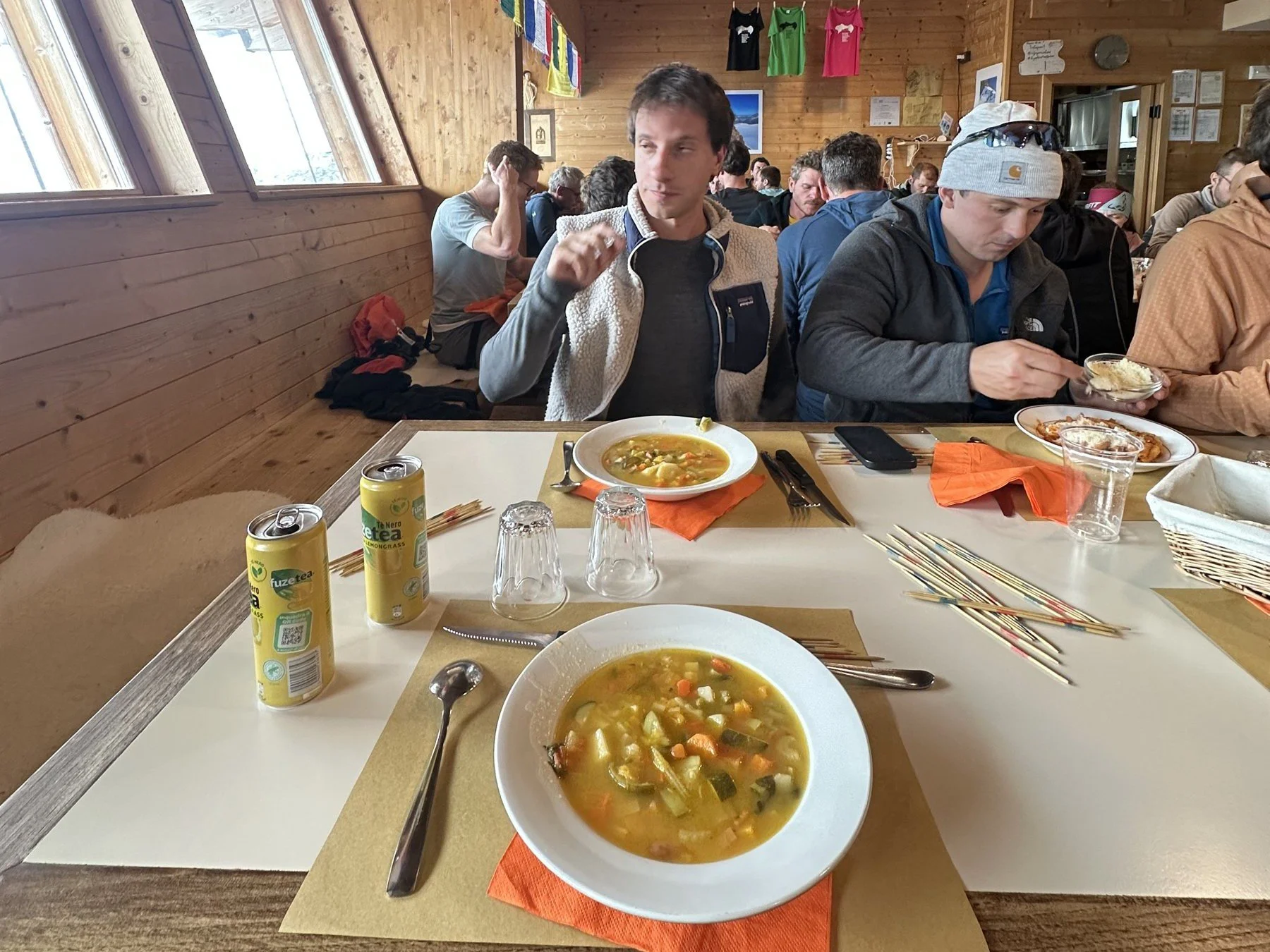
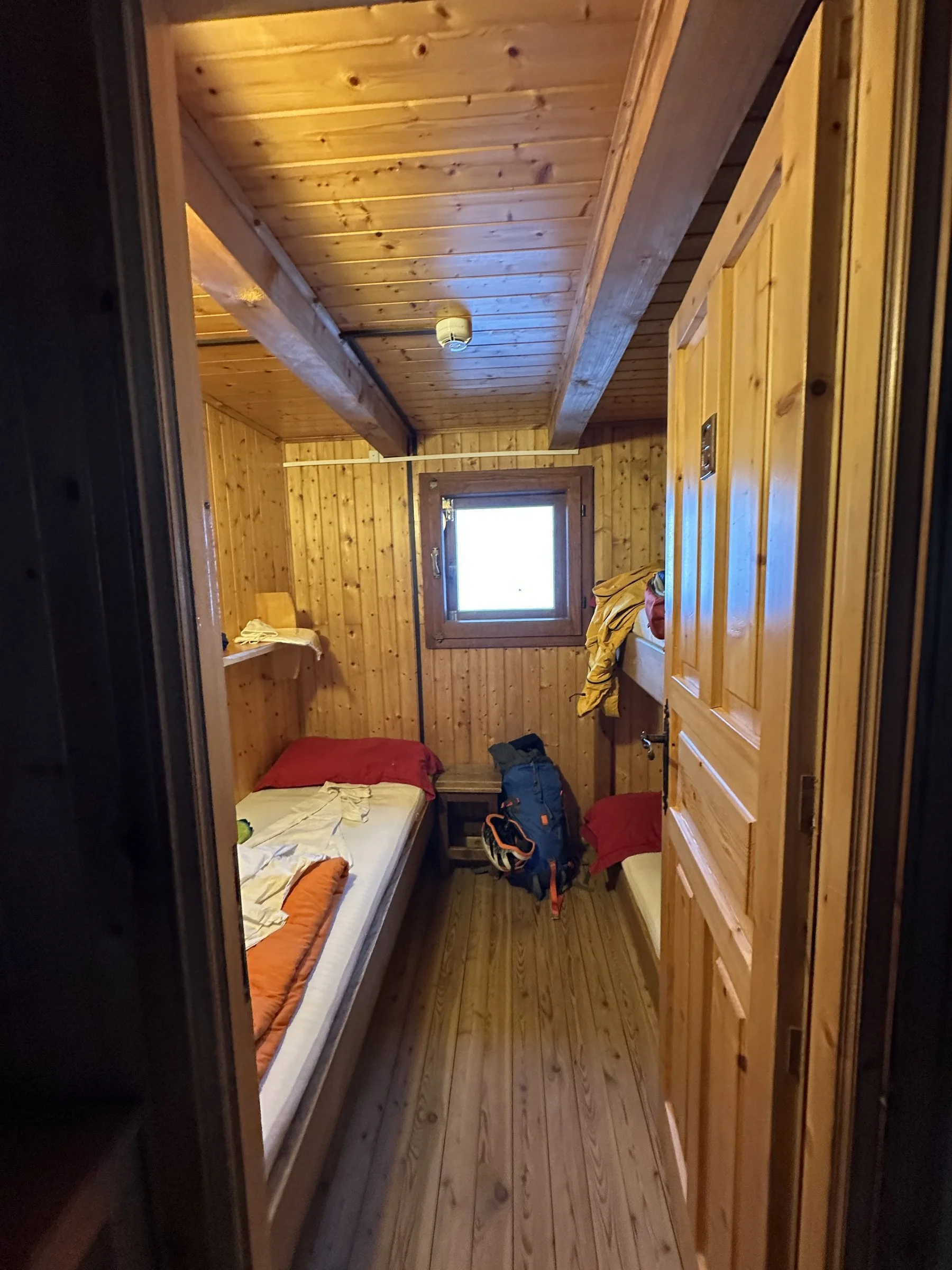
The hut. Very basic, but great fun, with a brilliant atmosphere: everyone at dinner is about to do the same thing in the morning. There are showers, but the water is ice cold. You can also sleep at the Margherita itself, right on the summit, but that needs booking separately and well in advance.
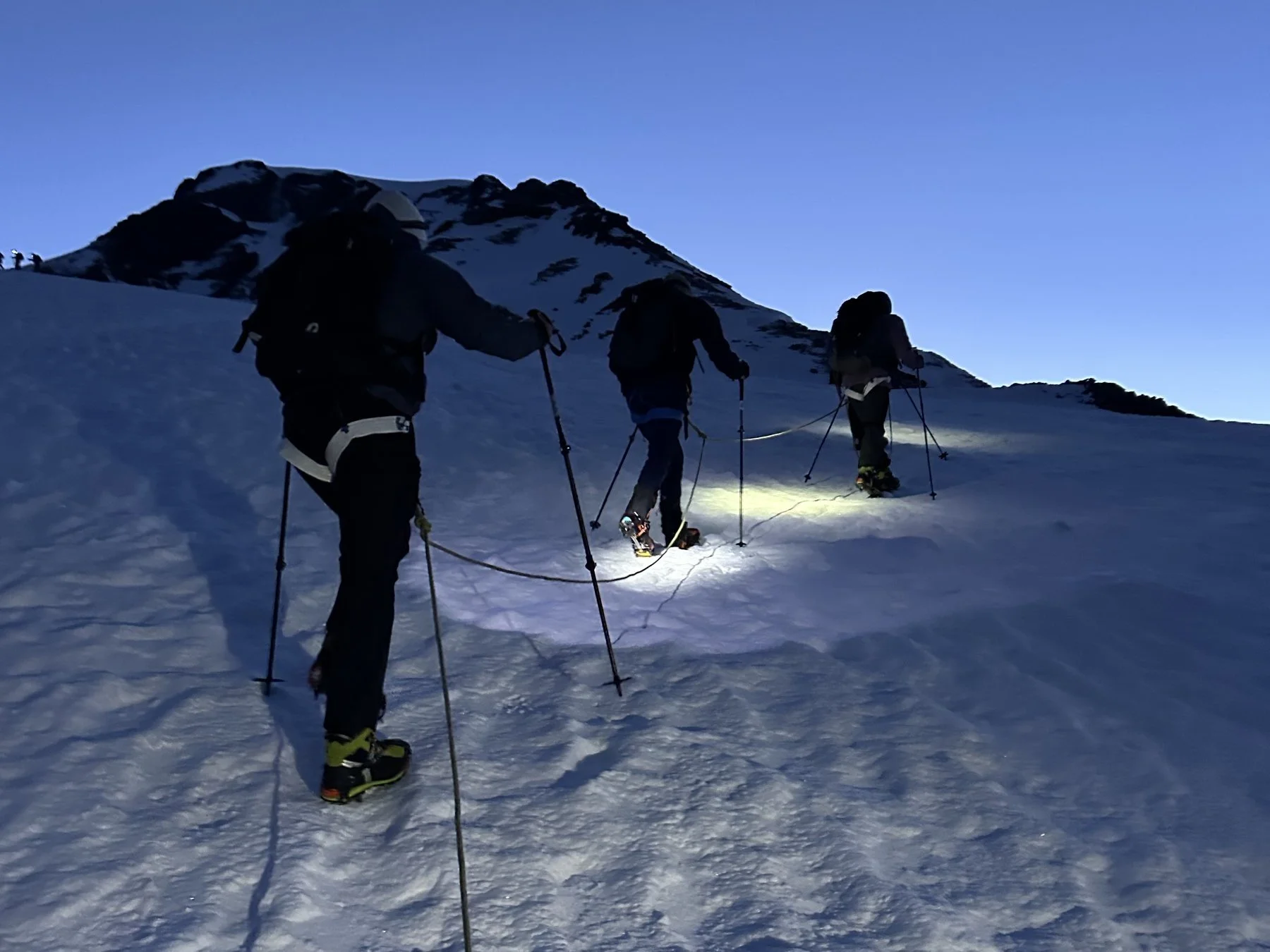
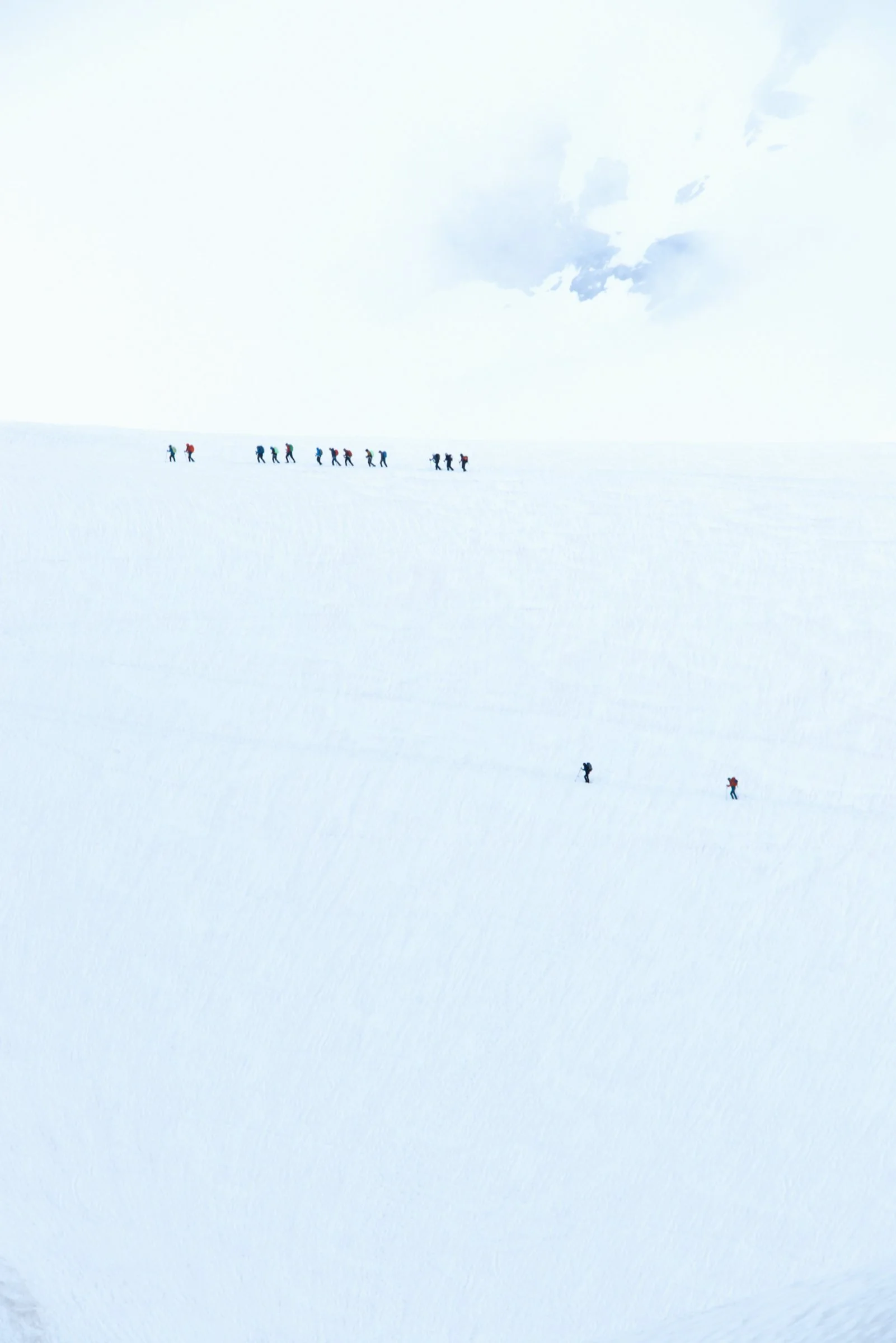
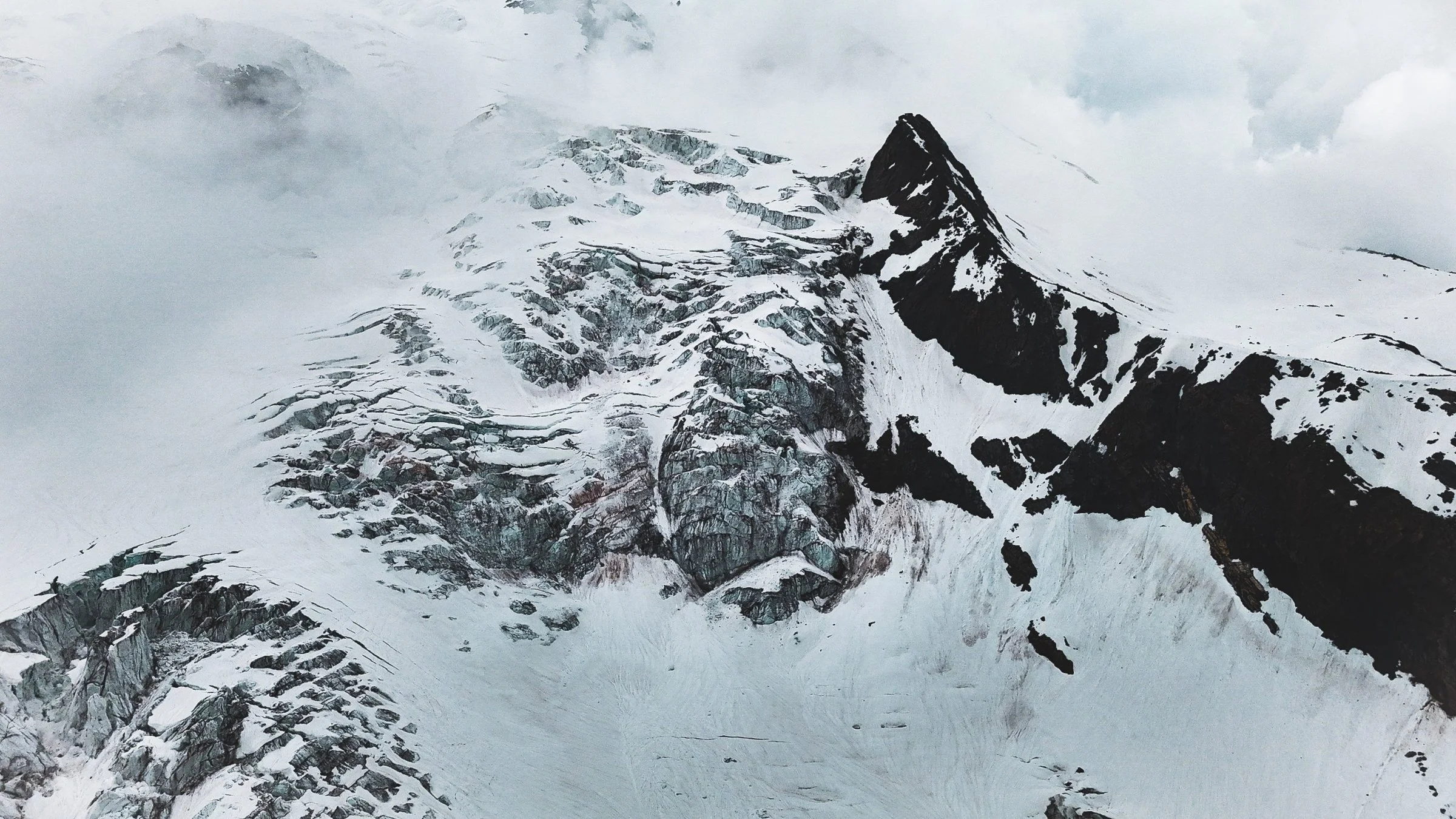
Day 2: summit and down. A 4:30am start, head torches on, crampons on, roped together with the guide. You cross the glacier and climb steadily for about 1,100 m to the hut on the summit. Then it's all the way back down to Punta Indren and the lifts to the valley. In total we covered about 11 km and 1,200 m of climbing, and it was a long, very satisfying day. My legs didn't thank me for days.
The altitude
This is the part that caught me out. The climbing itself is not technical, but the altitude was surprisingly hard. I started to feel altitude sickness on the way up, and looking back, we went up a bit too quickly. If I did it again, I'd slow the pace, and I'd seriously consider adding an extra night at altitude first: sleep high one night, then go for the summit the next. Fitness doesn't protect you from altitude.
The other thing that made it harder was my bag. I took drones and big camera gear, and the extra weight really told up there. Pack as light as you can.
What to bring
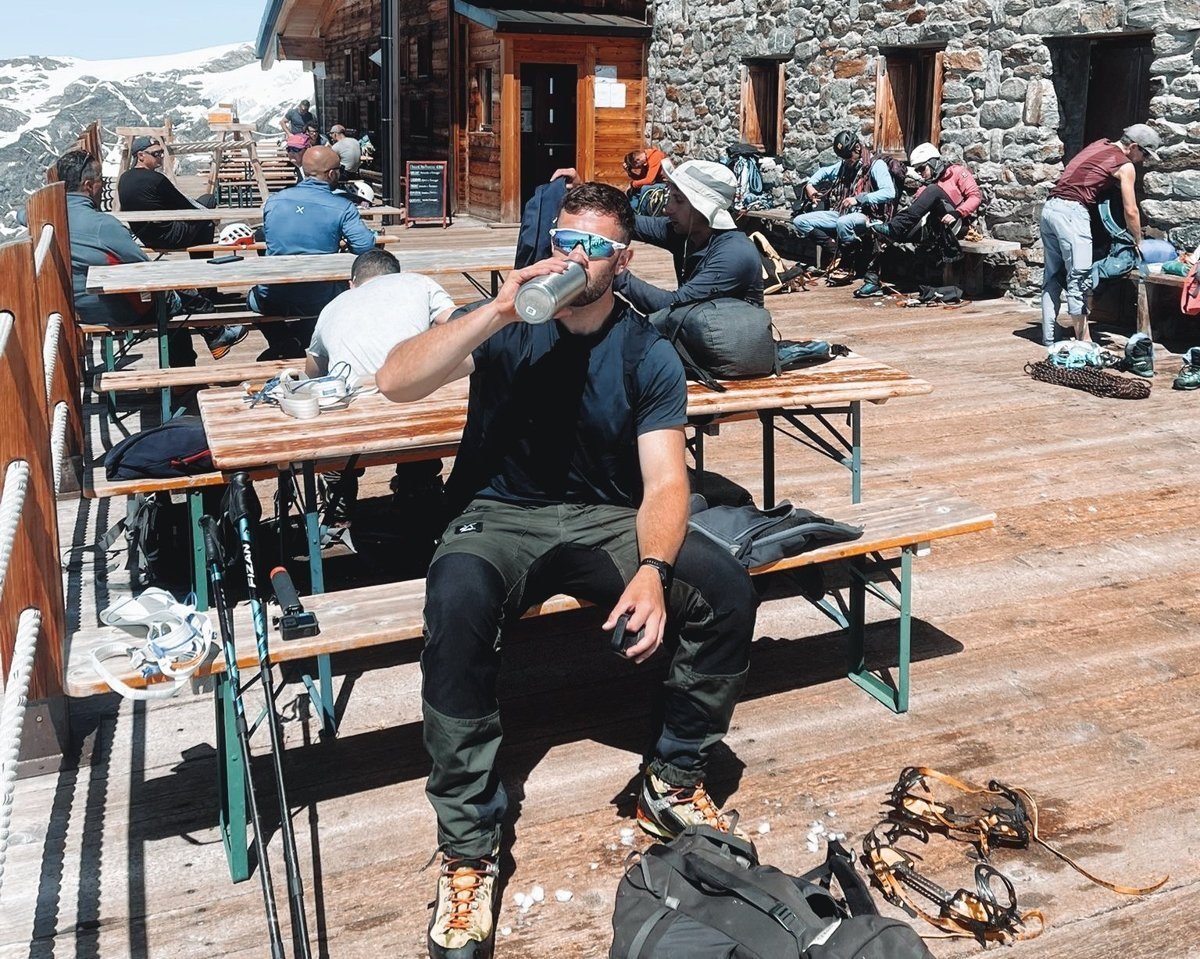
The guiding company provides the harness, crampons and helmet. This is roughly the kit list they sent us:
Layers: thermal base layer, fleece, light down or windbreaker, a warm down jacket and a windproof shell
Legs: windproof alpine trousers, thermal leggings and gaiters
Hands and head: two pairs of gloves (one light, one ski-weight) and a warm hat that covers your ears
Feet: proper alpine mountaineering boots (not walking boots) and two pairs of ski socks
Eyes and skin: category 3 or 4 sunglasses, high-factor sunscreen and lip balm. The glare off the glacier is fierce.
In your pack: head torch, snacks, a small thermos, power bank, sleeping bag liner for the hut, basic toiletries and blister plasters, and telescopic walking poles with wide snow baskets
Ice axe: bring one if you have it. On this route it's mostly there in case you slip.
Renting boots: you can't rent them at the meeting point. I rented mine in the valley the day before (Base Camp in Alagna, or Ermanno Sport in Gressoney) and wore them on a short walk to check the fit before the climb. Reserve your size in advance: one of our group couldn't find a pair in his size anywhere the day before.
Guide or solo?
You can do it without a guide if you're an experienced mountaineer, but I'd strongly recommend going with one. It was my first climb like this, and having a guide gave me the confidence to enjoy it rather than worry about crevasses and route-finding. Monte Rosa Booking handled it well: they watch the weather and contact you a few days before if it looks bad, and you get a WhatsApp group with your guide three days out. Other local guiding companies run similar trips.
Tips if you're planning it
Book early. We booked in March for late June.
Check who books the hut. Make sure you know whether your guide books the hut you'll sleep in, or you do.
Lift pass: you buy a pass for the valley's lifts for the two days, picked up at the cable car ticket office.
Arrive early at the meeting point. Going from the valley to nearly 3,000 m by lift is a big jump, so give your body a few hours.
Go slow. Pace yourself on the way up, drink plenty and tell your guide early if you feel unwell.
Insurance: make sure your travel insurance covers mountaineering and glacier travel at altitude.
Make a trip of it
We kept it simple: flew in and out of Milan Malpensa, stayed with a friend nearby and drove up to Alagna, about two hours away. If you want to make more of it, Lake Como and Lake Maggiore are both close enough to add a few relaxed days either side of the climb.
Watch the climb
This was my first ever YouTube video. Watch it for the views, not my presenting skills.
Want us to plan a trip around it? Start planning →